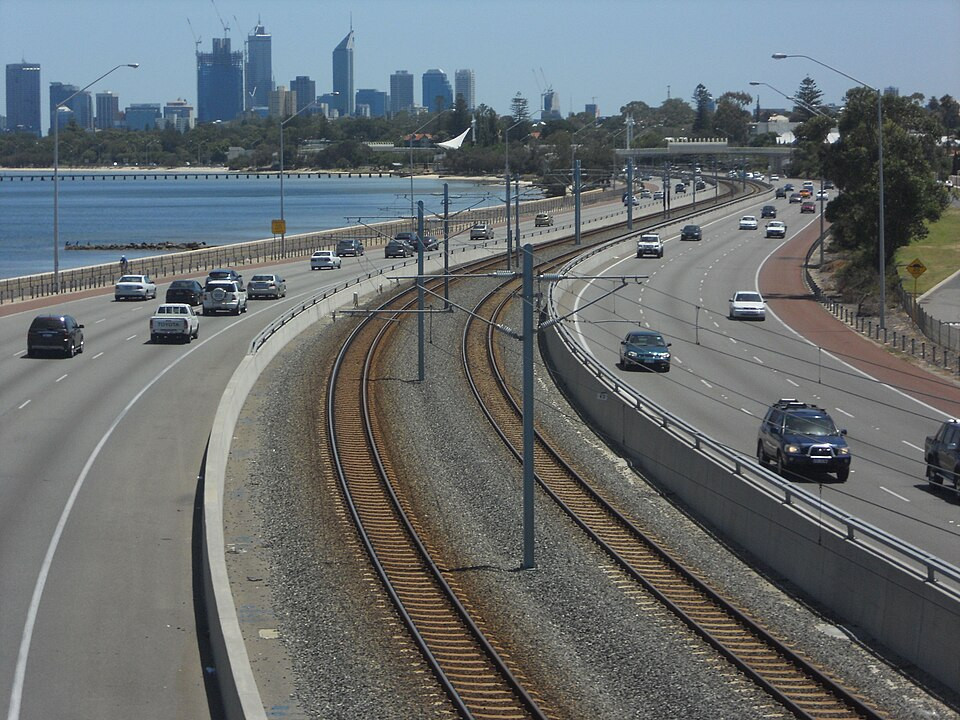
The good news? You don’t have to resign yourself to this daily grind. With a bit of local knowledge and some strategic thinking about when and how you travel, you can reclaim a surprising amount of time and sanity. Let’s talk about how to actually navigate Perth’s peak hour traffic in a way that works for real life.
When Peak Hour Hits
Understanding when Perth’s roads are at their worst is half the battle. Morning peak generally kicks off around 6:30 AM and doesn’t really ease up until after 9:00 AM. During this window, you’ll find the Mitchell Freeway northbound absolutely chockers, the Kwinana Freeway southbound moving at a crawl, and the Tonkin Highway living up to its reputation as a car park with a speed limit.
The afternoon peak is basically the mirror image, running from about 3:30 PM through to 6:30 PM, though the dynamics shift a bit. The freeways reverse direction in terms of which way is congested, but there’s an extra complication around 3:00 PM when school pickup traffic floods local roads. Parents collecting kids create these mini-congestion zones around schools that can catch you off guard if you’re not expecting them.
Here’s a quick breakdown of Perth’s peak hour patterns:
| Time Period | Duration | Worst Affected Routes | Special Considerations |
|---|---|---|---|
| Morning Peak | 6:30 AM – 9:00 AM | Mitchell Fwy (north), Kwinana Fwy (south), Tonkin Hwy | Earlier is significantly better |
| School Pickup | 3:00 PM – 3:30 PM | Local roads near schools | Creates sudden congestion spikes |
| Afternoon Peak | 3:30 PM – 6:30 PM | Mitchell Fwy (south), Kwinana Fwy (north), Tonkin Hwy | Fridays start earlier and last longer |
Fridays deserve their own mention because the afternoon peak starts earlier and runs hotter. Everyone’s keen to get their weekend started, and you can feel it on the roads. By contrast, school holidays offer blessed relief across the entire network. If you’ve got the flexibility to take leave during these periods, you’ll genuinley notice the difference in your commute.
Seasonal variations matter too. Summer sees slightly different patterns as people adjust their schedules to beat the heat, whilst winter’s darker mornings can slow things down a bit as visibility decreases. Public holidays create their own unique situations, sometimes clearing the roads beautifully, other times creating unexpected congestion around shopping centres and recreational areas.
Thinking Beyond the Freeway
Here’s something many Perth drivers take a while to realise: the freeway isn’t always your friend during peak hour. Yes, it’s designed for high-speed travel, but when thousands of other people have the same idea, you end up sitting in traffic that’s barely moving. Sometimes the humble arterial road, despite its lower speed limit and traffic lights, can actually get you there faster.
Northern Routes
If you’re heading north from the city, the Mitchell Freeway is the obvious choice, but Wanneroo Road runs parallel for much of the route and often flows better during peak times. It’s not as fast when it’s clear, sure, but when the freeway’s jammed, those traffic lights on Wanneroo Road start looking pretty good. The West Coast Highway offers another alternative, particularly if you’re not in a massive hurry and don’t mind trading some time for a more pleasant drive along the coast. There’s something to be said for a commute with ocean views instead of brake lights.
Alternative routes heading north:
- Wanneroo Road (parallel to Mitchell Freeway, good when freeway is congested)
- West Coast Highway (scenic coastal route, slower but more pleasant)
- Marmion Avenue (further west, useful for coastal suburbs)
Southern Routes
For southern commutes, the Kwinana Freeway is the default, but Stock Road and Carrington Street can be surprisingly effective alternatives. Canning Highway is another option, though it has its own peak hour challenges, particularly around the Canning Bridge area. The key is knowing which alternative suits your specific origin and destination. Someone heading to Fremantle faces different choices than someone going to Rockingham.
Alternative routes heading south:
- Stock Road/Carrington Street (avoids worst of Kwinana Freeway)
- Canning Highway (watch for Canning Bridge bottleneck)
- Leach Highway combinations (good for eastern suburbs to southern destinations)
Cross-Town Options
Cross-town travel often gets overlooked in these discussions, but if you’re not actually going to or from the CBD, you’ve got options that avoid the worst congestion entirely. Reid Highway handles a lot of northern cross-connection traffic, whilst Leach Highway does similar work in the south. These routes can be absolute lifesavers if your commute doesn’t require you to go through the city centre.
The Roe Highway functions as Perth’s orbital road, and whilst it has its own bottlenecks, particularly where it connects with other major routes, it can help you avoid the radial freeway congestion altogether. Understanding how these different roads connect and interact gives you the flexibility to adapt when your usual route isn’t working.
Timing Strategies
Sometimes the simplest solution is also the most effective: travel at different times. This might sound obvious, but the difference between leaving at 6:15 AM versus 7:30 AM can be dramatic. Those early morning roads are genuinley clearer, and you can often complete your commute in close to free-flow time.
The trade-off, of course, is that you’re getting up earlier and potentially arriving at work before anyone else. Some people love this, using that quiet time to get organised before the chaos starts. Others find it throws off their whole routine. There’s no right answer, it depends on your personal circumstances and preferences.
Different Timing Approaches
The Early Bird (6:00 AM – 6:30 AM departure):
- Significantly lighter traffic on all major routes
- Can cut commute time by 30-50% compared to peak
- Requires earlier wake-up time
- Gives you quiet time at the office before others arrive
The Flexible Start (9:00 AM – 10:00 AM arrival):
- Misses the worst of morning peak entirely
- Roads genuinely clear after 9:00 AM
- Requires employer flexibility
- May mean later finish time
The Patient Evening (6:30 PM – 7:00 PM departure):
- Avoids the 5:00 PM rush completely
- Time can be used for gym, errands, or catching up on work
- Works well if you don’t have evening commitments
- CBD amenities make waiting more pleasant
Starting work later offers similar benefits in reverse. If your employer allows you to begin at 9:30 AM or even 10:00 AM, you’ll miss the worst of the morning peak. The roads genuinely do clear out after 9:00 AM, and your commute can be half the time it would have been an hour earlier. The challenge is whether your job and personal life can accomodate this schedule.
Evening strategies work on the same principle. If you can stay at work until 6:45 PM or 7:00 PM, the roads will be significantly clearer than if you leave at 5:00 PM. Many people use this time to hit the gym, run errands in the city, or simply catch up on work in a quieter office. The CBD has plenty of amenities that make waiting out peak hour more pleasant than sitting in traffic.
Flexible work arrangements have become much more common, and this has genuinley changed the calculus for many Perth commuters. If you’re only going into the office two or three days a week, you can be more strategic about which days you choose and what times you travel. Some people deliberately choose to work from home on Mondays and Fridays, when traffic tends to be heavier.
The reverse commute situation deserves mention because it’s one of Perth’s genuine traffic hacks. If you live south and work north, or vice versa, you’re essentially travelling against the main flow. Your commute will be dramatically easier than someone doing the opposite journey. This is worth considering if you’re house hunting or job searching and have flexibility about location.
Using Technology
We live in an age where real-time traffic information is available at our fingertips, and it’s worth using. Google Maps and Waze both offer live traffic updates that can help you navigate around incidents and congestion as they develop. The difference between these apps and your standard GPS is significant during peak hour.
Google Maps is particularly good at suggesting alternative routes when your usual path is congested. It pulls data from millions of users to build a real-time picture of traffic flow and can often spot problems before you encounter them. Waze takes a slightly different approach, relying more on community reporting of incidents, police presence, and hazards. Both have their strengths.
Best traffic apps for Perth commuters:
- Google Maps: Excellent route suggestions, accurate ETAs, shows congestion in real-time
- Waze: Community-reported incidents, police locations, hazard warnings
- Main Roads WA App: Official updates on roadworks, crashes, and closures
- Transperth App: Train times for park-and-ride options
Main Roads WA provides official traffic information through their website and app, and this can be valuable for major incidents and planned roadworks. They tend to have authoritative information about serious crashes or road closures that might not show up immediately on crowd-sourced apps.
Setting up traffic alerts for your regular routes can give you a heads-up about problems before you leave home. There’s nothing worse than committing to a route only to discover there’s been a crash five kilometres ahead. If you know about it before you depart, you can choose a different path from the start.
For some journeys, particularly longer commutes from places like Mandurah or Joondalup, combining driving with public transport can be a revelation. The Mandurah line and Joondalup line both offer park-and-ride facilities at multiple stations, and if you time it right, you can avoid the worst traffic whilst someone else does the driving. The trains run frequently during peak hour and genuinely can be faster than sitting in traffic, especially once you factor in CBD parking costs.
Local Knowledge
This is where living in Perth for a while starts to pay off. Every suburb has its network of back streets that locals use to avoid main roads during busy times. These aren’t secrets exactly, but they’re not obvious to newcomers either. The residential streets through Subiaco and Shenton Park, for instance, can help you avoid the worst of Stirling Highway congestion. Mount Lawley and Inglewood have similar networks that bypass Beaufort Street when it’s choked.
South Perth and Como residents know the value of their local streets for avoiding Canning Highway during peak times. These routes require some trial and error to learn, and they won’t always save you time, but when the main roads are particularly bad, they can be the difference between frustration and a reasonable journey.
River Crossing Strategy
River crossings are a special kind of bottleneck in Perth because there are only so many bridges and they all get hammered during peak hour. Here’s how they typically perform during busy periods:
| Bridge/Crossing | Peak Congestion | Best Alternative | Notes |
|---|---|---|---|
| Narrows Bridge | Heavy both directions | Graham Farmer Tunnel (east-west) | Worst 7:30-8:30 AM & 5:00-6:00 PM |
| Causeway | Moderate to heavy | Windan Bridge (further east) | Better in shoulder peak periods |
| Graham Farmer Tunnel | Moderate | Narrows or Causeway | Good for east-west traffic |
| Fremantle Traffic Bridge | Light to moderate | No direct alternative | Mainly affects Fremantle commuters |
The Narrows Bridge is notorious for backing up in both directions, and the Causeway isn’t much better. If your commute relies on crossing the river, you need to factor in extra time or be prepared to use one of the less central crossings when things are bad.
The Graham Farmer Freeway tunnel has improved things somewhat for east-west traffic, but it still gets congested during peak periods. The Fremantle Traffic Bridge serves a more localised purpose but can be crucial for people commuting in that area. Knowing which crossing to use and when can save substantial time.
School zones create temporary but significant impacts on traffic flow. Major schools with hundreds of students being dropped off or picked up can turn nearby roads into chaos between 3:00 PM and 3:30 PM. If your route takes you past any large schools, consider whether a small detour might save you from sitting in that particular mess. During school holidays, you’ll notice these areas flow much better, which tells you everything you need to know about the impact.
Making It Work for You
The reality is that there’s no single perfect strategy that works for everyone. Your ideal approach depends on where you live, where you work, what hours you keep, and what you value. Some people prioritise minimising time in the car above all else. Others care more about fuel efficiency or reducing stress, even if it means a slightly longer journey.
Fuel consumption varies significantly between freeway cruising and stop-start arterial road driving. If you’re watching your budget, this might influence which route you choose. Electric vehicle owners face different considerations entirely, with regenerative braking actually benefiting from some stop-start driving and charging infrastructure location becoming a factor.
There’s an intangible element too. Some routes might technically be faster but feel more stressful because of constant lane changes, aggressive drivers, or poor road conditions. A route that keeps you moving steadily, even if slightly slower, can be genuinley preferable to one that saves five minutes but leaves you frazzled.
Working from home has become a genuine option for many Perth workers, and integrating this into your weekly routine can dramatically reduce your exposure to peak hour traffic. If you’re commuting only two or three days a week instead of five, the whole equation changes. You can be more selective about when you travel and more tolerant of occasional delays because they’re not happening every single day.
Some people structure their weeks around traffic patterns, choosing to work from home on days when traffic is historically worst or when weather forecasts predict conditions that slow everything down. This kind of strategic scheduling takes the edge off peak hour in a way that simply wasn’t possible when everyone was expected in the office five days a week.
Finding Your Rhythm
Perth’s traffic patterns will keep evolving as the city grows and infrastructure develops. New roads will open, bottlenecks will shift, and commuter behaviour will adapt. What works today might need adjustment in six months or a year. The key is staying flexible and willing to experiment with different approaches.
Start by trying small variations to your current routine. Leave ten minutes earlier one week and see how it feels. Test an alternative route on a Friday when you’re less time-pressured. Use a traffic app for a fortnight and see what you learn about patterns you hadn’t noticed before. These small experiments cost you nothing and might reveal options that significantly improve your daily experience.
Talk to colleagues who live near you about their commutes. You’d be surprised how much local knowledge exists that never gets written down anywhere. Someone might know about a perfect back street or have worked out ideal timing that could benefit you too. Perth’s still got enough of a community feel that this kind of information sharing happens naturally if you ask.
Above all, remember that your commute is a significant part of your daily life. If you’re spending an hour or more in the car each day, that’s a substantial chunk of time over a year. Finding ways to make that time less frustrating and more predictable genuinley improves your quality of life. Perth’s traffic might not be going anywhere, but with the right strategies, you can navigate it on your own terms.