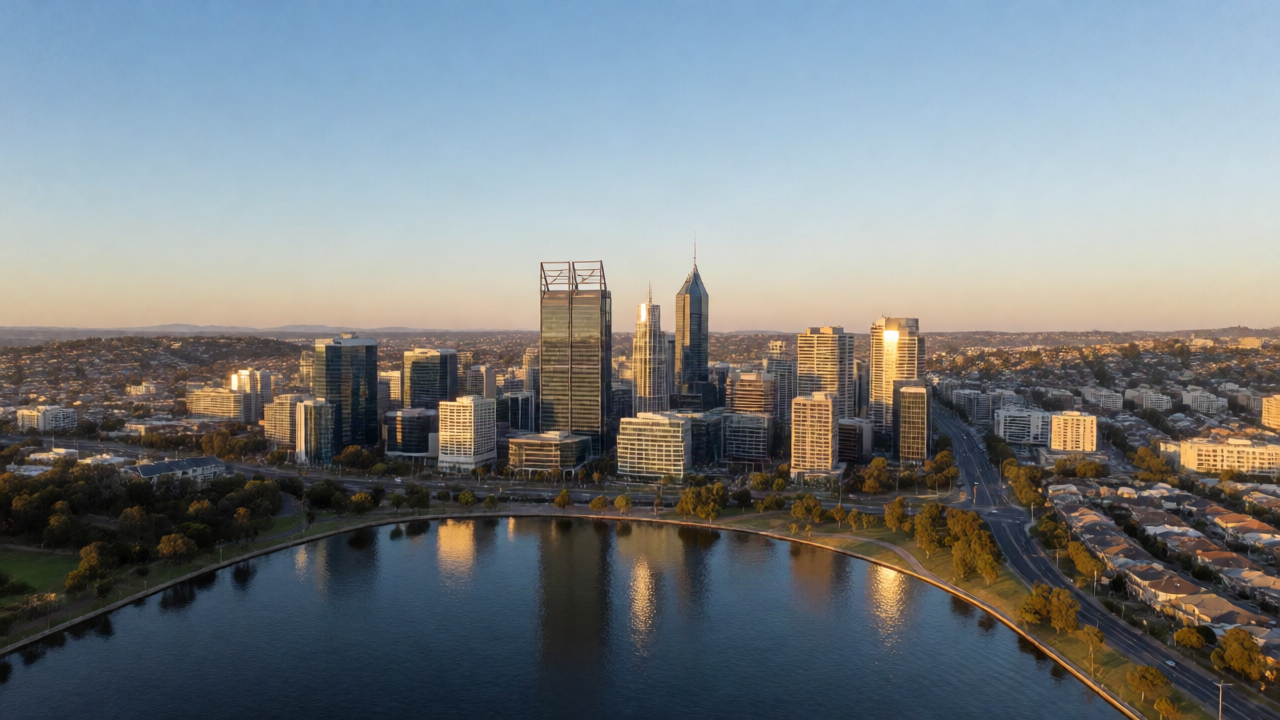
As we navigate through September 2026, Perth’s property market continues to demonstrate remarkable resilience and evolution. The Western Australian capital has experienced significant shifts in its real estate landscape, reflecting broader economic changes, population growth, and evolving buyer preferences. This comprehensive analysis examines the current property price trends across Perth’s diverse suburbs and provides valuable insights for both investors and prospective homeowners.
Current Market Overview
Perth’s property market in September 2026 presents a compelling narrative of steady growth and sustained demand. The median house price across metropolitan Perth has shown consistent appreciation, driven by a combination of factors including interstate migration, improved economic conditions, and limited housing supply in desirable areas.
The market has matured considerably since the volatility experienced in previous years, with property values demonstrating more predictable patterns. This stability has attracted both local upgraders and investors seeking reliable capital growth opportunities in one of Australia’s most affordable capital cities.
Price Performance Across Key Regions
Inner-City and Riverside Suburbs
The inner-city precincts and prestigious riverside suburbs continue to command premium prices. Areas such as Subiaco, Mount Lawley, and Claremont have experienced property price increases ranging between 8-12% year-on-year. The median house price in these sought-after locations now sits comfortably above $1.2 million, reflecting strong demand from affluent buyers and downsizers seeking proximity to amenities and lifestyle offerings.
Apartments in the Perth CBD and adjacent suburbs have also gained momentum, with median unit prices rising by approximately 6-8%. The appeal of low-maintenance living combined with urban convenience continues to attract young professionals and empty nesters alike.
Coastal Locations
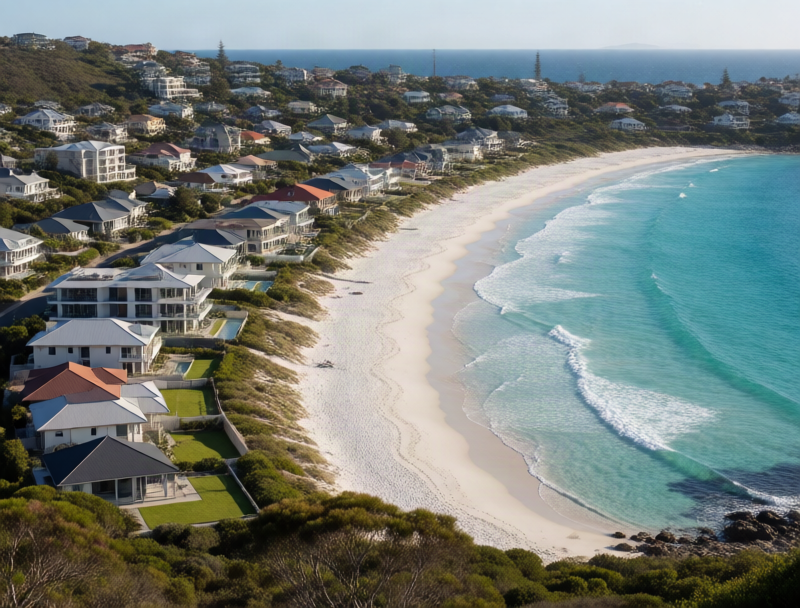
Perth’s stunning coastline remains one of its most valuable assets in the property market. Suburbs like Cottesloe, Scarborough, and City Beach have witnessed robust price growth, with median values increasing by 10-14% over the past twelve months. The lifestyle appeal of beachside living, coupled with significant infrastructure improvements along the coastal corridor, has cemented these areas as blue-chip investment zones.
More affordable coastal options such as Fremantle and Rockingham have also performed strongly, offering entry points for buyers seeking the coastal lifestyle without the premium price tag associated with northern beaches.
Growth Corridors and Emerging Suburbs
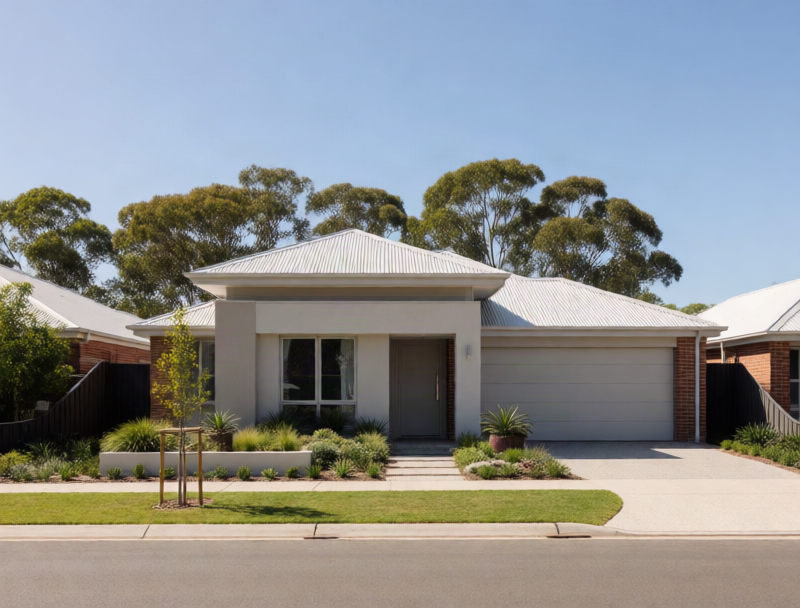
The northern and southern corridors continue to attract families and first-home buyers seeking value and modern amenities. Suburbs like Baldivis, Ellenbrook, and Yanchep have experienced substantial growth, with median house prices rising between 12-16% annually.
These areas benefit from ongoing infrastructure development, including new schools, shopping centers, and improved transport links. For those considering their first property purchase, understanding which Perth suburbs offer the best value for first home buyers has become increasingly important in this competitive market.
Factors Driving Current Trends
Population Growth and Migration
Perth has experienced a resurgence in population growth during 2026, driven by both interstate migration and international arrivals. The city’s relatively affordable housing compared to Sydney and Melbourne, combined with improved employment prospects, has made Perth an attractive destination for professionals and families.
This demographic shift has created sustained demand across multiple price points, supporting property values and reducing the typical days-on-market for well-presented homes.
Economic Conditions and Employment
Western Australia’s diverse economy has strengthened considerably, with growth not solely dependent on mining and resources. The expansion of technology sectors, renewable energy projects, and professional services has broadened the employment base, providing greater economic stability and consumer confidence.
Interest rates, while higher than historic lows, have stabilized at levels that remain manageable for most borrowers. This equilibrium has allowed the property market to find its natural level without the artificial stimulation of ultra-low borrowing costs.
Housing Supply Constraints
One of the most significant factors influencing property prices in September 2026 is the persistent shortage of available stock. Construction delays, skilled labor shortages, and rising material costs have all contributed to reduced housing supply, particularly in established suburbs where land availability is limited.
This supply-demand imbalance has been particularly evident in the middle-market segment, where competition among buyers has intensified, frequently resulting in properties selling above asking prices at auction.
Unit and Apartment Market Dynamics
The apartment market has undergone a notable transformation in 2026. After years of oversupply concerns, the unit market has found better balance, with well-located, quality apartments appreciating steadily. The median unit price across Perth now sits at approximately $480,000, representing a 7% increase from September 2025.
Apartments in established areas with strong amenity offerings have outperformed new developments in outer suburbs, reflecting buyer preferences for location and lifestyle over size. The trend toward hybrid working arrangements has also influenced apartment design preferences, with buyers seeking additional space for home offices.
Investment Property Performance
Perth’s rental market remains exceptionally tight, with vacancy rates hovering around 0.8-1.2% across metropolitan areas. This scarcity has driven rental yields to attractive levels, particularly for investors. Median weekly rents have increased by approximately 10-15% year-on-year, making Perth one of the most favorable markets for rental returns among Australian capital cities.
Investment-grade properties in proximity to employment hubs, universities, and public transport infrastructure continue to deliver strong returns, with gross rental yields often exceeding 5% for well-chosen assets.
Regional Perth and Surrounding Areas
Regional centers within commuting distance of Perth have experienced significant growth as remote work arrangements enable greater residential flexibility. Towns like Mandurah, Rockingham, and even Bunbury have seen increased interest from buyers seeking larger properties and lifestyle benefits while maintaining connection to Perth’s employment opportunities.
These regional markets have recorded some of the strongest price growth rates, with median values increasing by 15-20% in select locations, though from lower base prices than metropolitan Perth.
Market Outlook and Future Predictions
Looking ahead to the remainder of 2026 and into 2027, market analysts anticipate continued moderate growth in Perth property prices. The fundamentals supporting the market—population growth, economic stability, and housing shortages—remain firmly in place.
However, potential headwinds include possible interest rate adjustments, global economic uncertainties, and the eventual increase in housing supply as current construction projects reach completion. Most experts forecast annual price growth to moderate to 5-8% across Perth’s median values over the next 12-18 months, representing a sustainable pace that balances affordability with investment returns.
Considerations for Buyers and Sellers
For Prospective Buyers
September 2026 presents opportunities for well-prepared buyers, particularly those with pre-approved finance and clear purchase criteria. The competitive market requires decisiveness, but quality properties across various price points remain available for those willing to act promptly.
First-home buyers should explore government incentives and consider emerging suburbs that offer growth potential alongside affordability. Upgraders might find opportunities in established areas where motivated sellers are seeking timely transactions.
For Property Sellers
Current market conditions favor sellers with well-presented properties in desirable locations. Strong buyer demand, limited stock, and favorable financing conditions create an environment conducive to achieving premium prices. However, properties requiring significant renovation or those in less sought-after locations may face longer selling periods and require realistic pricing strategies.
Conclusion
Perth’s property market in September 2026 reflects a mature, balanced environment characterized by steady growth rather than speculative extremes. The combination of economic strength, population growth, and housing scarcity continues to support property values across the city’s diverse suburbs.
Whether you’re a first-home buyer, investor, or upgrader, understanding these market dynamics provides the foundation for making informed property decisions. As Perth homes continue to demonstrate resilience not just in market performance but also in construction quality, the city’s real estate remains an attractive proposition for long-term wealth creation.
As always, prospective buyers and sellers should conduct thorough research, seek professional advice, and carefully consider their individual circumstances before making property decisions in this dynamic market.